Vector Field
-
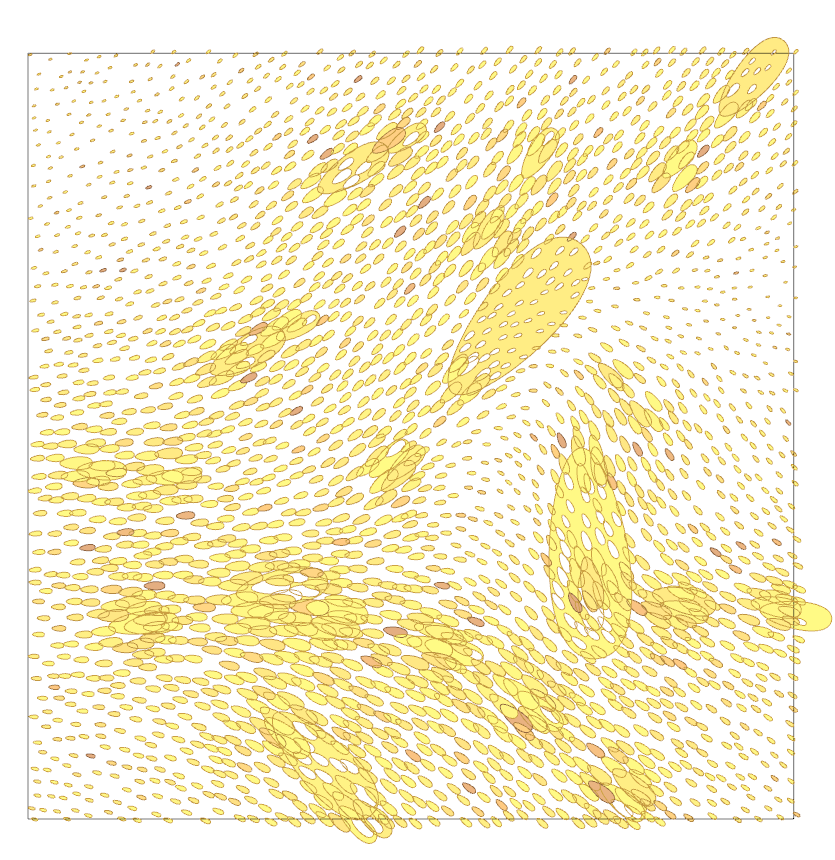
Vector Field with Drawn Vectors – Example 6.6
I decided to come back to vector fields with one more example. First, I’ve set the goal on this blog to have six posts in each category, and Vector Fields has been at five for a long time, despite being one of my favorite things! I also wanted to come up with a new starting…
-
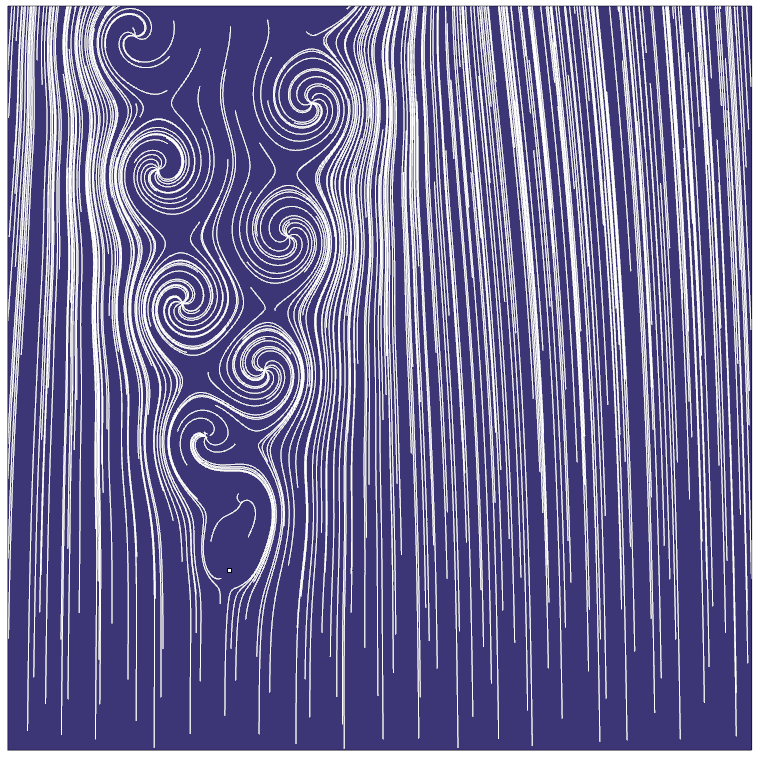
Example 7.4 – Kármán Vortex Street – Spiral Forces
A last major category of forces you can use in the Grasshopper Vector Field Tools are spiral / vortex forces. There isn’t a special component for these, but they are created by simply combining and merging fields for point charges together with a spin force. The result is a vortex. This is fairly easy to…
-
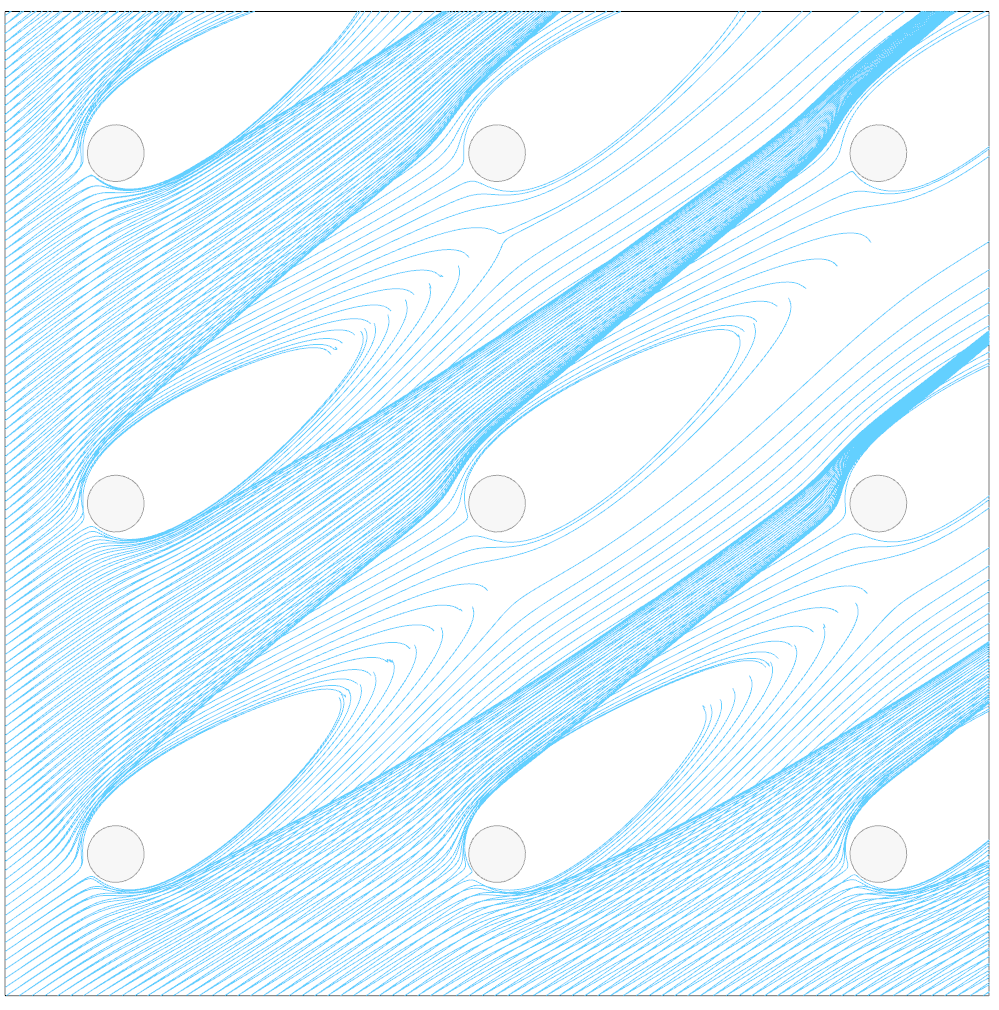
Example 7.3 – Line and Vector Forces combined with Point Charges
The previous vector field examples looked at patterns with Point Charges and with Spin Forces. In this next example, I will look at two additional basic forces in the Grasshopper Field Components set. These are Line Charges, which act similar to point charges, but act along an entire line instead, and the Vector Force, which…
-
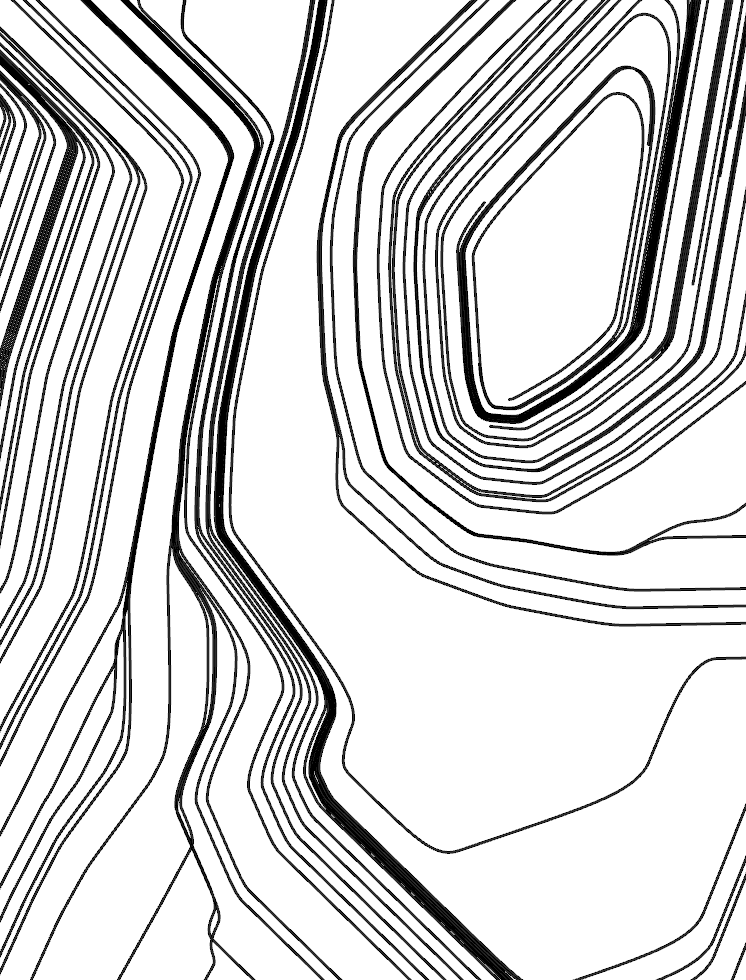
Agent Movement Using User Drawn Vectors – Example 11.3
This last example of using Agents steered by a static vector field continues the logic started in Example 11.1 and further developed in Example 11.2. In those examples, we used a rather consistent Vector Field with vectors generated by Grasshopper itself to steer the agents. There is no reason, however, why you cannot set the…
-

Agent Movement Using Progressive Noise Distortion Field – Example 11.2
In this script we won’t be looking at anything really new, but will be showing perhaps a much more interesting vector field for our agents to travel through. I must give credit for the idea for this script. Again, it comes from the book Generative Gestaltung which is available in both German and English. In…
-
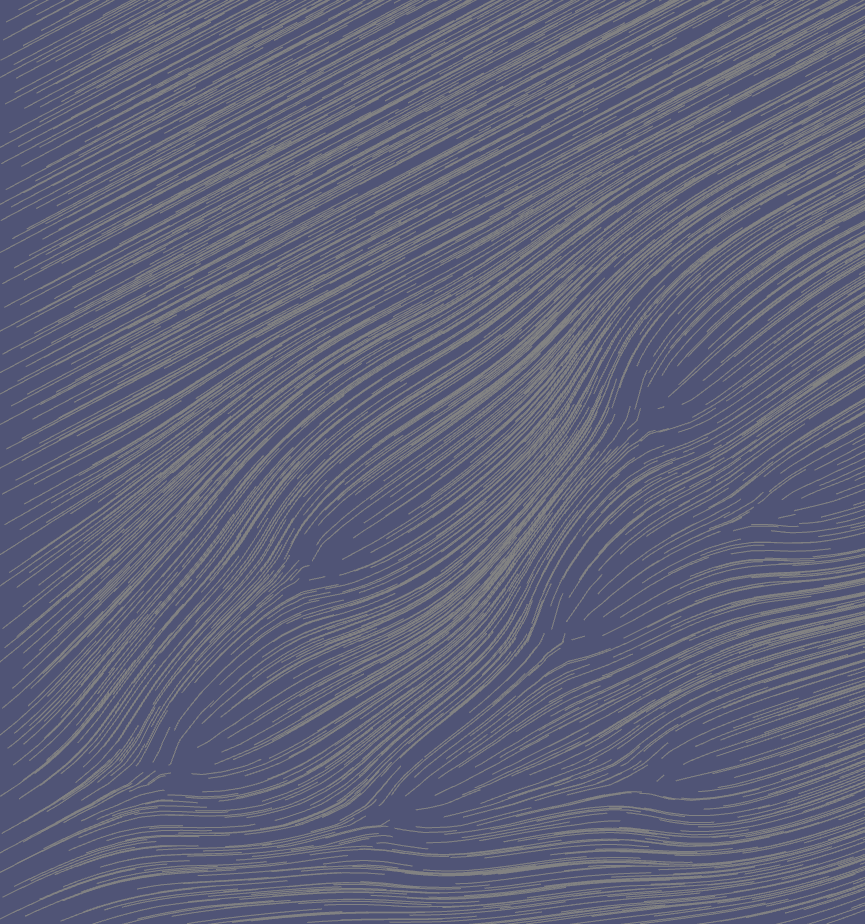
Agents Steered by a Vector Field – Example 11.1
One very much talked about method for contemporary form making proposes uses “Agent” behavior to structure designs, although successful applications of this seem few and far between, especially in “built” projects. Agents are, to generalize, anything that moves in the environment, and changes its behavior, or movement, based on things happening in the environment. Agents can be…
-
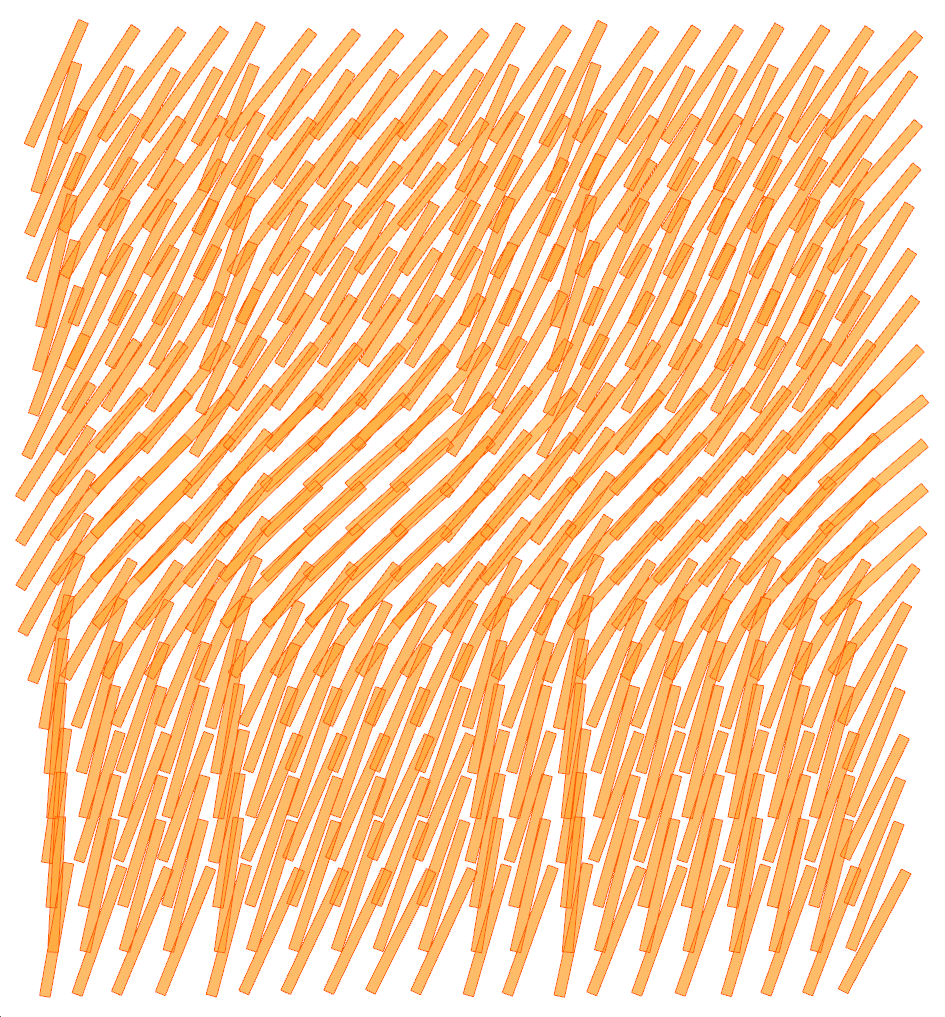
Vector Field with Progressive Random Noise – Example 6.5
Example 6.4 looked at adding random values to rotate the vectors within a range for each column and row, but with each column and row rotated independently of the rotation applied to its neighbours. This script takes the idea of adding random rotation–or noise–to a higher level, and will be important for a future script looking…
-
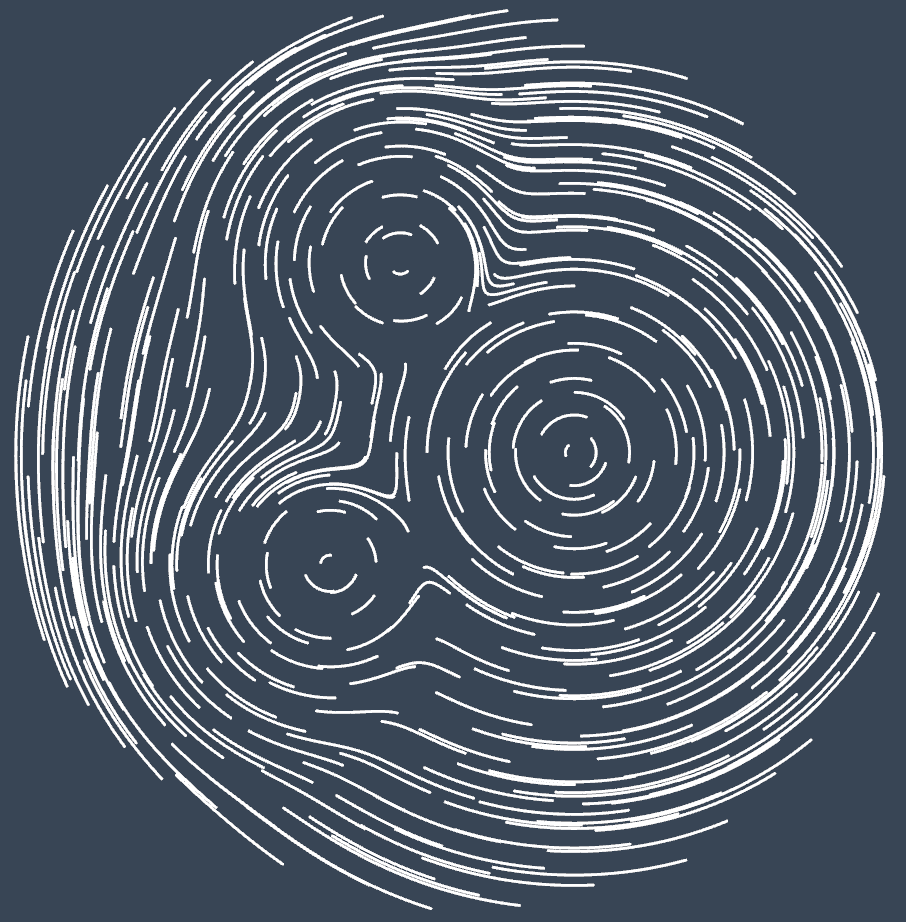
Vector Field Tools in Grasshopper – Basic Spin Force – Example 7.2
In the last example, we looked at using Point charges to create some dynamic structures using the Grasshopper field components. This next example will look at the second type of force, the “Spin” component. The setup of these forces is very similar to what we saw in the last example, but instead of pushing or pulling a…
-

Vector Field Tools in Grasshopper – Basic + and – Point Charges – Example 7.1
An interesting set of tools that was introduced to Grasshopper a few versions back are the “Field” tools. It only takes a bit of practice to get these up and working. What is more difficult is learning to control the results of the fields, and grounding the products of these tools in a design process.…